
What Happens When an Older Adult Is Afraid to Walk After a Fall? How Rehabilitation Rebuilds Confidence
September 4, 2026
Recovery is about more than how far someone walks. Strength, balance, endurance, and independence all tell part of the story.
“How far did you walk today?” It’s one of the first questions families often ask a loved one during rehabilitation, and it makes sense. Walking is an easy form of progress to visualize. If someone walked 25 feet last week and 100 feet this week, the improvement feels clear and measurable.
But rehabilitation professionals look at much more than distance when evaluating recovery. A resident might walk the same number of feet two weeks in a row while making meaningful improvements in balance, endurance, posture, safety, or the amount of assistance they need. Another person may not be ready to walk very far but has progressed from needing significant help getting out of bed to standing with minimal assistance.
For older adults receiving rehabilitation therapy in Morehead City, NC, these functional improvements can be just as important as the number of steps taken. Understanding how rehabilitation teams evaluate progress can also help residents and families recognize achievements that might otherwise go unnoticed.
Jump To Section
The Bigger Picture
Why Walking Distance Doesn’t Tell the Whole Story
Walking is an important part of mobility, but distance alone doesn’t tell therapists how safely or independently someone is moving. Imagine two residents who can each walk 75 feet:
Requires considerable assistance, becomes exhausted halfway through, and struggles to maintain balance.
Walks the same distance with a walker, requires less assistance, maintains a steadier pace, and finishes without needing a rest break.
On paper, both residents walked 75 feet. Functionally, however, their performance is very different.
This is why rehabilitation professionals consider multiple aspects of movement and everyday function. The goal isn’t simply to help someone cover more ground. It’s to determine whether improving abilities can help the resident participate more safely and independently in daily life.
Building Strength
Strength Can Be an Important Measure of Progress
Strength affects nearly everything we do, from standing up to getting dressed. After surgery, illness, injury, or an extended hospital stay, older adults may experience significant weakness. Rehabilitation can address specific muscle groups as well as the functional movements those muscles help make possible.
During physical therapy in Morehead City, NC, therapists may evaluate whether a resident can:
Stand from a chair
Maintain an upright position
Complete certain movements with better control
Perform an activity with less assistance
For example, a resident might initially need substantial help rising from a chair. As strength improves, they may progress to requiring less assistance or completing the movement more independently. That improvement may eventually support other goals, including walking, toileting, getting in and out of bed, and navigating the home.
Steady on Your Feet
Balance Matters Before, During, and After Walking
Walking safely requires more than strong legs. Balance affects standing, turning, reaching, transferring, and navigating changes in direction or surface. A resident may be able to walk a reasonable distance while still being at increased risk of losing balance during everyday movements.
Rehabilitation teams can evaluate two types of balance:
Static balance involves maintaining stability while staying relatively still, such as standing at a sink.
Dynamic balance comes into play when the body is moving, such as turning, reaching, or stepping around an obstacle.
Improvement might mean standing longer without losing stability, turning more safely, or needing less support during movement. These changes may not be as obvious as doubling a walking distance, but they can have a meaningful impact on daily function.
Growing Independence
Therapists Look at How Much Assistance Is Needed
One of the most useful measures of rehabilitation progress is the level of assistance a resident needs to complete a task. Consider getting out of bed:
The task itself hasn’t changed. The resident is still moving from the bed to a chair. What has changed is how much of the task they can safely perform themselves.
Within senior rehab in NC, reductions in assistance can be particularly meaningful because they may influence how much support a resident will need in their next care setting.
Lasting Energy
Endurance Shows How Well Someone Tolerates Activity
Being physically capable of completing a task once isn’t the same as being able to manage a full day of everyday activities. That’s where endurance becomes important.
After hospitalization or illness, an older adult may become tired after standing for only a short time. Walking down the hallway might be possible, but there may not be enough energy left to get dressed, eat a meal, or participate in another activity. Rehabilitation teams pay attention to how long residents can tolerate activity and whether they require frequent rest breaks.
As endurance improves, a resident may be able to:
Stay out of bed longer
Participate in therapy for longer periods
Complete more of a morning routine
Walk without becoming tired as quickly
These gains can help prepare someone for the demands of everyday life outside the rehabilitation setting.
Moving With Confidence
Transfers Are an Essential Part of Independence
Think about how many times you change positions during a normal day. You get out of bed, stand from a chair, sit down at the table, use the bathroom, and get in and out of a car. Each of these activities involves some type of transfer.
For that reason, rehabilitation teams often pay close attention to how safely and independently a resident can move between positions and surfaces. A resident may work on:
Moving from lying to sitting
Moving from sitting to standing
Transferring between a bed and chair
Therapists may evaluate strength, balance, technique, safety awareness, and the amount of assistance required. Transfer progress can be especially important when preparing to return home because difficulty with these basic movements can affect many parts of the daily routine.
Everyday Living
Daily Activities Provide Real-World Measures of Progress
Rehabilitation isn’t successful simply because someone performs well during an exercise session. Improving abilities should ideally carry over into daily activities.
Occupational therapy can help residents work on tasks such as dressing, bathing, grooming, toileting, and other activities of daily living. Progress may be measured by how much of an activity a resident can complete, how safely they perform it, and how much assistance or adaptive equipment they need.
For example, a resident may initially need help with an entire dressing routine. Later, they may be able to put on most clothing independently but still require assistance with shoes. That’s measurable progress.
For many residents, these practical improvements are particularly meaningful because they directly affect how much assistance may be needed after discharge.
Quality Over Quantity
Movement Quality Is Just as Important as Quantity
More isn’t always better if a movement isn’t being performed safely. During physical therapy in Morehead City, NC, therapists may pay attention to:
Posture, control, and coordination
Gait pattern and the use of assistive devices
Other aspects of how someone moves
A resident may walk farther but develop an unsafe pattern as fatigue increases. In that situation, simply pushing for more distance may not be the most appropriate goal. Instead, therapy may focus on improving the quality and safety of movement before increasing the challenge.
This is one reason rehabilitation goals are individualized. The most useful next step depends on the resident’s current abilities, medical condition, and functional needs.
Beyond the Numbers
Confidence and Safety Awareness Can Also Improve
Not every meaningful rehabilitation outcome can be captured by counting repetitions or measuring feet.
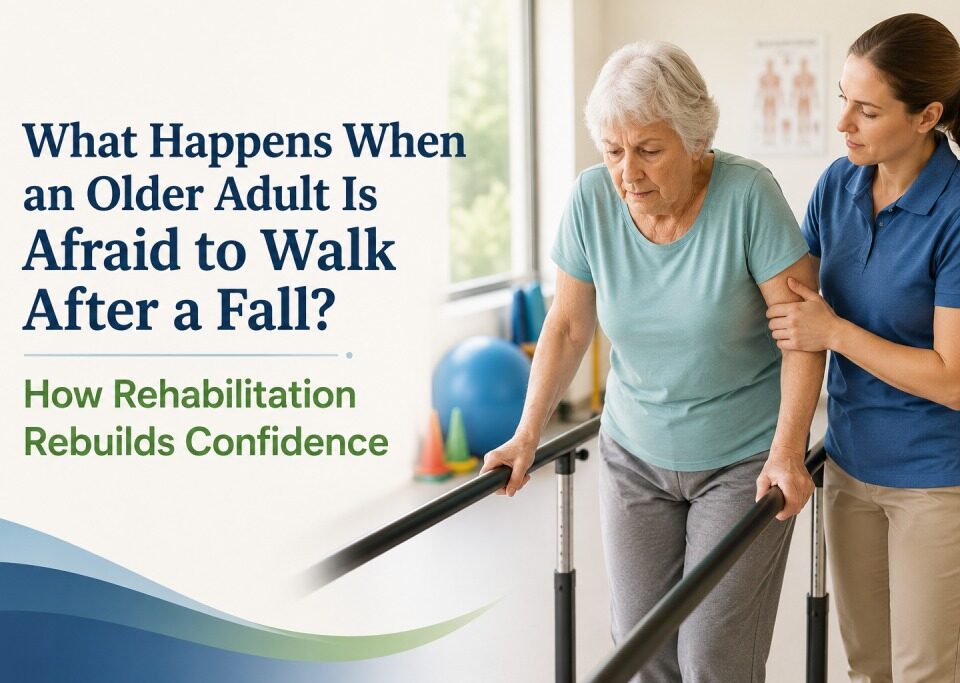
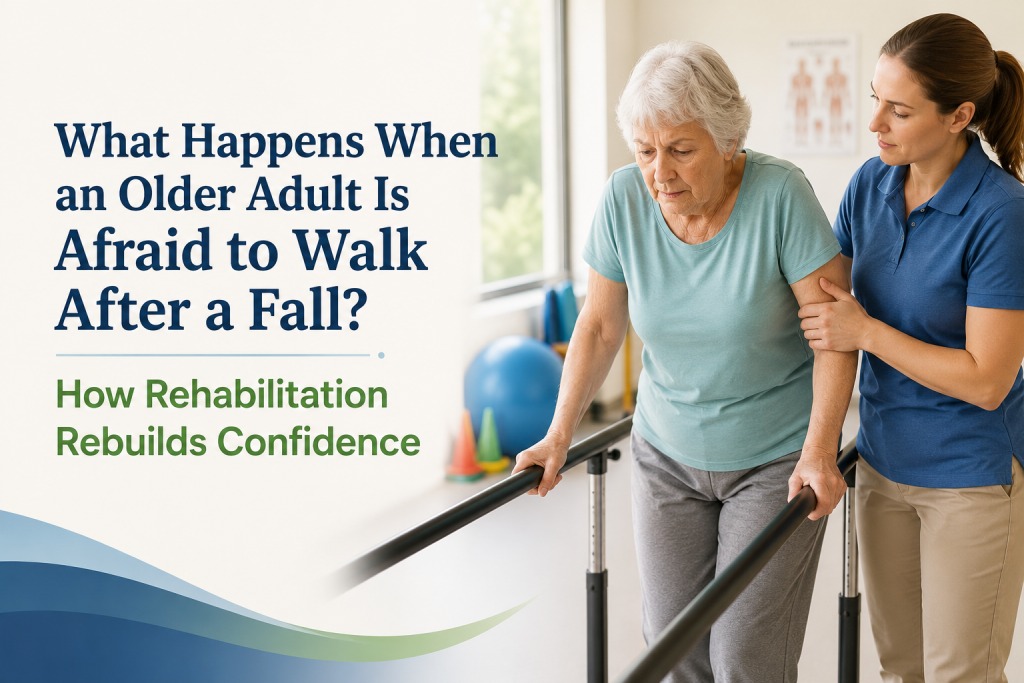
Confidence can affect how willing a resident is to participate in everyday activities. After a fall or serious illness, someone may become hesitant to stand, walk, or complete tasks they previously performed without much thought. As residents practice skills with appropriate support, they may gradually become more comfortable initiating movement and participating in their own care.
Safety awareness matters as well. Learning when to ask for help, how to position an assistive device, or how to follow precautions can be an important part of preparing for greater independence.
The goal isn’t simply for residents to do more. It’s for them to use their abilities as safely and effectively as possible.
Every Journey Is Different
Progress Is Measured Against the Individual, Not Other Residents
It can be tempting to compare one person’s rehabilitation with someone else’s. Perhaps another resident who had a similar surgery is already walking farther, or a friend recovered from hospitalization more quickly. These comparisons rarely provide an accurate picture of how rehabilitation is going.
Age, medical history, previous mobility, type of surgery or illness, length of hospitalization, pain, cognition, endurance, and many other factors can affect recovery. Rehabilitation teams therefore measure residents against their own starting points and individualized goals. The more useful questions are:
What could this resident do when rehabilitation began?
What can they do now?
How much assistance do they need?
Which goals have been achieved, and what needs additional work?
That approach provides a much more meaningful view of progress.
Looking Ahead
Connecting Rehabilitation Goals to the Next Step
As a resident progresses, rehabilitation goals may increasingly reflect what will be needed after discharge. Someone returning home may need to:
Safely navigate a certain distance between rooms
Get in and out of a particular type of chair
Complete bathroom routines
Manage steps at the entrance
A person moving to another care setting may have different priorities. Rehabilitation teams can use information about the resident’s home, caregiver support, and expected next environment to help make therapy more relevant to real-world needs.
This is where improvements in strength, balance, endurance, transfers, and daily activities come together. No single measurement tells the entire story.
Our Approach
Rehabilitation Therapy at Crystal Bluffs
At Crystal Bluffs Rehabilitation & Health Care Center, rehabilitation is centered on individual abilities, needs, and recovery goals.
For residents receiving rehabilitation therapy in Morehead City, NC, progress may be reflected in physical therapy, occupational therapy, or other appropriate rehabilitation services. While walking distance can be one useful measurement, therapists also consider factors such as strength, balance, endurance, transfers, everyday activities, safety, and level of assistance. This broader approach helps connect therapy with what residents actually need to accomplish in their daily lives.
For families exploring senior rehab in NC, understanding these different measures can also make the recovery process easier to follow. Instead of asking only how far a loved one walked, families can ask whether they’re moving more safely, requiring less help, tolerating more activity, or completing more everyday tasks independently.
Sometimes progress is measured in feet. Other times, it’s measured in needing one less hand to stand, one fewer rest break during an activity, or one more part of the morning routine completed independently. Taken together, those improvements can provide a much fuller picture of recovery.
Common Questions
Frequently Asked Questions About Measuring Rehabilitation Progress
See How Progress Is Measured at Crystal Bluffs
Our rehabilitation team would be glad to walk you through how we set individualized goals, track every kind of progress, and prepare each resident for the next step. Schedule a tour or talk with our team right here in Morehead City.