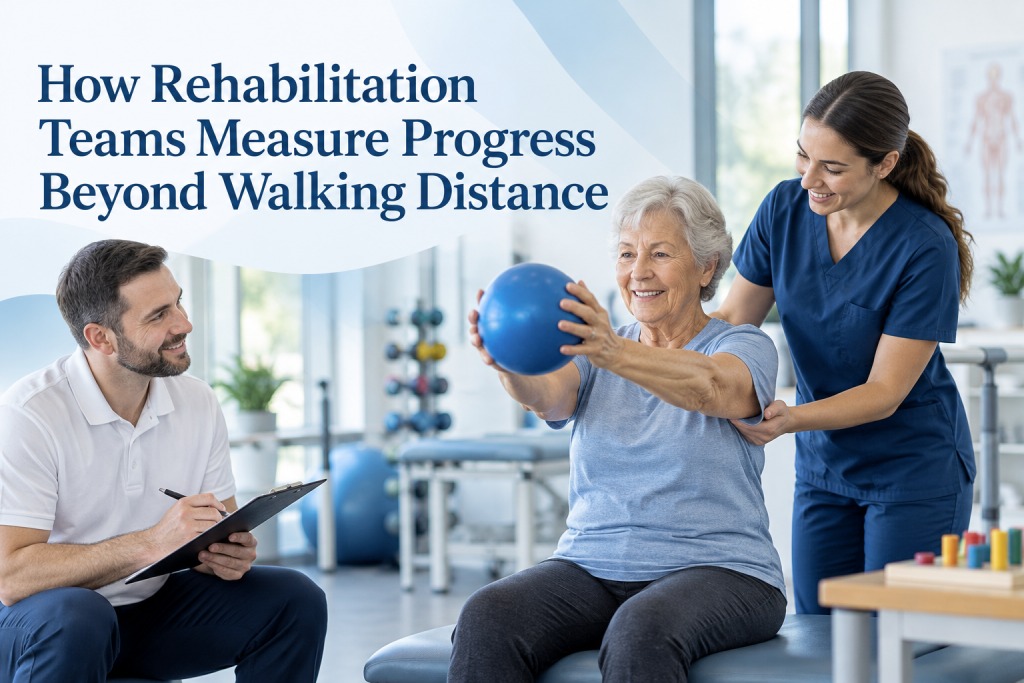
How Does a Rehabilitation Team Support Seniors in Managing More Than One Health Condition?
October 23, 2026
Holiday visits offer a rare chance to see how an aging parent is really managing day to day, and the small changes you notice can matter.
The holidays have a way of bringing families back together. Adult children may travel home for the first time in months, grandchildren fill the house, and familiar traditions return. Between meals, shopping, decorating, and catching up, families also get something they may not get during regular phone calls: a chance to see how an aging parent is actually managing day to day.
Sometimes what they notice is surprising. Dad seems to take much longer getting out of his favorite chair. Mom holds onto the kitchen counter when she walks across the room. The laundry basket has moved downstairs because carrying it upstairs has become difficult. A parent who once prepared an entire holiday dinner now seems exhausted after standing for a few minutes. Changes like these in mobility, strength, balance, endurance, and everyday routines can provide important clues about how an older adult is functioning.
None of these changes automatically means a loved one needs a Morehead nursing home or another higher level of care. Instead of dismissing what you see as “just getting older,” use the holidays to pay attention, start a conversation, and decide whether additional support or a professional evaluation is appropriate.
Jump To Section
Mobility
Look at How Your Parent Moves Around the Home
When you haven’t seen someone for several months, changes in movement may be easier to recognize.
Does your parent move more slowly than before?
Are they reaching for walls or furniture while walking?
Do they hesitate before taking the first step after standing?
Watch how they navigate familiar areas of the home. Someone who has lived in the same house for decades knows where every step, doorway, and piece of furniture is located. If they’re suddenly having difficulty moving through that familiar environment, it’s worth paying attention.
You may also notice that your parent has quietly stopped using certain areas of the home:
Dad no longer goes upstairs
Mom has moved commonly used items to lower shelves
They sleep in a recliner instead of going to the bedroom
They avoid the basement because the stairs feel unsafe
These adaptations can be practical, but they may also indicate a change in mobility. When appropriate, physical therapy in Morehead City, NC may help with strength, balance, walking, transfers, and safe use of mobility equipment.
Transfers
Notice How Easily They Get Up and Sit Down
Standing from a chair seems simple until it becomes difficult. Watch what happens when your parent gets up from the couch, dining chair, bed, or toilet.
Do they need to push heavily with both arms?
Do they rock several times before standing?
Are they grabbing nearby furniture for support?
Lower-body weakness, pain, balance difficulties, or other health concerns can make transfers harder. You might also notice that your parent avoids certain chairs because they’re too low or has added cushions to make standing easier.
These changes don’t necessarily mean someone has lost the ability to live independently, but they can affect safety and everyday function. A professional assessment can help identify what may be contributing to the difficulty and what strategies or services may be appropriate.
Balance
Pay Attention to Balance, Even If There Hasn’t Been a Fall
Families often wait for a fall before becoming concerned about balance. But there can be warning signs before someone actually falls. A parent may:
Stumble or catch their foot
Sway while standing
Grab furniture for stability
Walk with shorter steps
Become noticeably cautious on uneven surfaces
Listen to what they say too.
Statements such as “I don’t like using the stairs anymore” or “I feel unsteady in the shower” can provide valuable information.
Fear of falling can also change behavior. Someone may begin moving less because they don’t feel safe. They might stop walking to the mailbox, avoid leaving the house, or decline activities that require much walking.
Unfortunately, becoming increasingly inactive can contribute to further loss of strength and endurance. Depending on the cause and the individual’s health, rehabilitation therapy in Morehead City, NC may address functional challenges related to balance, mobility, and everyday activities.
Strength
Look for Changes in Strength
Strength changes aren’t always obvious. Your parent doesn’t need to be lifting weights for you to notice that everyday tasks have become harder.
Are grocery bags suddenly too heavy?
Is Mom struggling to open containers?
Does Dad need help moving a dining chair that he used to handle easily?
Watch how your parent manages ordinary tasks. Carrying laundry, getting dressed, standing at the kitchen counter, climbing steps, getting in and out of a car, and lifting household items all require strength.
A decline may happen gradually enough that your parent has already found ways to compensate. They may carry fewer items at a time, stop cooking certain meals, or ask someone else to complete tasks they previously managed independently.
Those adaptations are worth noticing because they tell you something about how daily function has changed.
Endurance
Pay Attention to Endurance and Fatigue
The holidays can be tiring for anyone, so a parent needing an afternoon rest isn’t automatically concerning. Instead, compare what you’re seeing with what was normal for them previously.
Does Mom become exhausted walking from one room to another?
Does Dad need to sit down halfway through a routine task?
Are activities taking significantly longer because frequent rest breaks are needed?
Changes in endurance can have many possible causes, including deconditioning and various medical conditions. Significant or unexplained changes in energy or exercise tolerance should be discussed with a healthcare provider rather than simply attributed to age.
From a functional standpoint, endurance matters because daily life rarely involves one isolated task. Someone needs enough energy to get dressed, walk to the kitchen, prepare food, clean up, use the bathroom, and complete other activities throughout the day.
When endurance declines, a person may technically be capable of individual tasks but struggle to manage an entire day independently.
Daily Life
Take a Look at Everyday Routines
One of the best ways to understand how a parent is doing is to look beyond obvious medical concerns. How are normal routines going?
Is your parent still bathing regularly?
Are they wearing clean clothes?
Are meals being prepared?
Is laundry getting done?
Don’t approach this as an inspection. The goal isn’t to criticize housekeeping or personal habits. You’re looking for meaningful changes from your parent’s usual routine.
Someone who has always kept an immaculate house may suddenly have laundry and dishes piling up because bending, lifting, and standing have become difficult. A parent who once enjoyed cooking may now rely heavily on packaged foods because meal preparation takes too much energy.
These changes may reveal functional challenges that never come up during a phone call.
Stairs
Watch How Your Parent Handles Stairs
Stairs can reveal changes in strength, balance, coordination, and confidence.
Does your parent use the railing more heavily than before?
Do they place both feet on each step instead of alternating?
Are they avoiding the stairs whenever possible?
Maybe they’ve started keeping everything they need on one floor. That may be a smart adaptation, but it’s still useful information.
If your parent needs to navigate stairs regularly to safely live at home, difficulty using them can become a significant concern. A physical therapist may evaluate stair negotiation as part of a broader mobility assessment when appropriate.
Personal Care
Notice Changes in Dressing, Bathing, and Grooming
Activities of daily living can provide important information about function.
Buttoning a shirt requires hand coordination.
Putting on pants requires balance and mobility.
Stepping into a shower can require strength and stability.
A parent may not tell you these activities have become difficult. Instead, you may notice that they’ve changed what they wear, stopped styling their hair the way they used to, or become reluctant to bathe.
Many factors may explain these changes, so avoid jumping to conclusions. However, when changes in personal care appear alongside declining mobility, weakness, or balance concerns, it may be worth discussing them with a healthcare professional.
Occupational therapy may also be part of senior rehab in NC when an older adult needs help addressing functional challenges related to everyday activities.
Confidence
Don’t Ignore Changes in Confidence
Sometimes the biggest change isn’t physical. It’s confidence.
Your parent may still be able to walk to the mailbox but no longer feels safe doing it. They may avoid the shower because they’re afraid of slipping or stop going to church because navigating the parking lot feels overwhelming.
Fear can gradually shrink a person’s world. As activities decrease, opportunities for movement and social interaction may decrease too.
Ask your parent what feels difficult rather than assuming you know. You might be surprised by the answer.
A simple question such as, “I’ve noticed you’re not going upstairs much anymore. Is that getting harder?” can open a much more productive conversation than, “You shouldn’t be using those stairs.”
Warning Signs
Know Which Changes Need Prompt Medical Attention
Not every change in mobility or daily function is simply a rehabilitation issue. These symptoms can require urgent medical attention:
Sudden weakness
New confusion
Difficulty speaking
Severe shortness of breath
Chest pain
Other sudden or severe symptoms
Take rapid changes in function seriously. If a parent who was walking normally suddenly becomes significantly weaker or unsteady, don’t assume it’s ordinary aging. Contact an appropriate healthcare provider or seek emergency care when symptoms warrant it.
Rehabilitation can play an important role for many older adults, but identifying and treating underlying medical problems comes first.
How Rehab Helps
How Rehabilitation May Support Safer Independence
When changes involve weakness, balance, mobility, or functional abilities, rehabilitation may be appropriate, depending on the person’s medical needs.
Physical therapy in Morehead City, NC may address strength, walking, balance, transfers, endurance, and mobility.
Occupational therapy may focus more closely on everyday tasks such as dressing, bathing, grooming, and other activities needed for daily independence.
The goal isn’t simply to complete exercises. Rehabilitation should connect those exercises to real-life function:
Improving leg strength matters because it may help someone stand from a chair.
Better balance matters because it can affect walking and transfers.
Improved endurance can help a person complete more of their daily routine without becoming as fatigued.
This functional approach is an important part of senior rehab in NC.
Next Steps
When Changes Suggest More Support May Be Needed
Sometimes families notice several changes at once. Mom is unsteady, struggling with bathing, and barely cooking. Dad is having difficulty getting out of chairs and has stopped going upstairs. At that point, families may need to look beyond one isolated concern and consider the bigger picture.
Could therapy help?
Are home modifications needed?
Does the person require more assistance with daily activities?
Is nursing support necessary?
Has the individual’s healthcare provider evaluated the changes?
For some families, exploring a Morehead nursing home or rehabilitation setting may become part of that conversation.
That doesn’t mean every change leads to long-term placement. An older adult may need short-term rehabilitation after an illness or hospitalization, additional assistance at home, outpatient services, or another type of support. The appropriate solution depends on the individual.
Talking Together
Use Holiday Visits to Start a Conversation, Not an Argument
Discovering that a parent is struggling can be emotional. Resist the urge to take control immediately. Instead, talk about what you’ve observed and ask how your parent feels.
“I noticed you seem a little unsteady on the stairs. Have they been giving you trouble lately?” That invites a conversation.
“You can’t use those stairs anymore” is more likely to create resistance.
Your parent may already be frustrated by the changes they’re experiencing. Giving them a chance to talk about what’s become difficult can help everyone better understand what support they need. Whenever possible, include them in decisions about next steps.
Our Approach
Rehabilitation and Support at Crystal Bluffs
Holiday visits can reveal things that aren’t obvious during a weekly phone call. You may notice changes in how a parent walks, gets dressed, climbs stairs, prepares meals, or moves around the home. Those observations don’t automatically mean independence is ending. They may simply mean it’s time to ask questions.
At Crystal Bluffs Rehabilitation & Health Care Center, rehabilitation services focus on each resident’s needs, abilities, and goals. Depending on the person’s situation, rehabilitation therapy in Morehead City, NC may help address changes in mobility and everyday function while supporting the safest and most appropriate level of independence possible.
Families shouldn’t expect aging parents to function exactly as they did ten years ago. But meaningful changes deserve attention. Noticing them early creates an opportunity to involve healthcare professionals, explore rehabilitation when appropriate, make adjustments, and determine what additional support may be helpful.
That may be one of the most valuable things families can do during the holidays: spend enough time together to truly notice how a loved one is doing.
FAQ
Frequently Asked Questions About Changes in Senior Mobility and Daily Function
Noticed Changes During Your Holiday Visit?
Our team right here in Morehead City is ready to answer your questions about rehabilitation, short-term rehab, and long-term care. Reach out to talk through your loved one’s needs or schedule a tour of Crystal Bluffs.