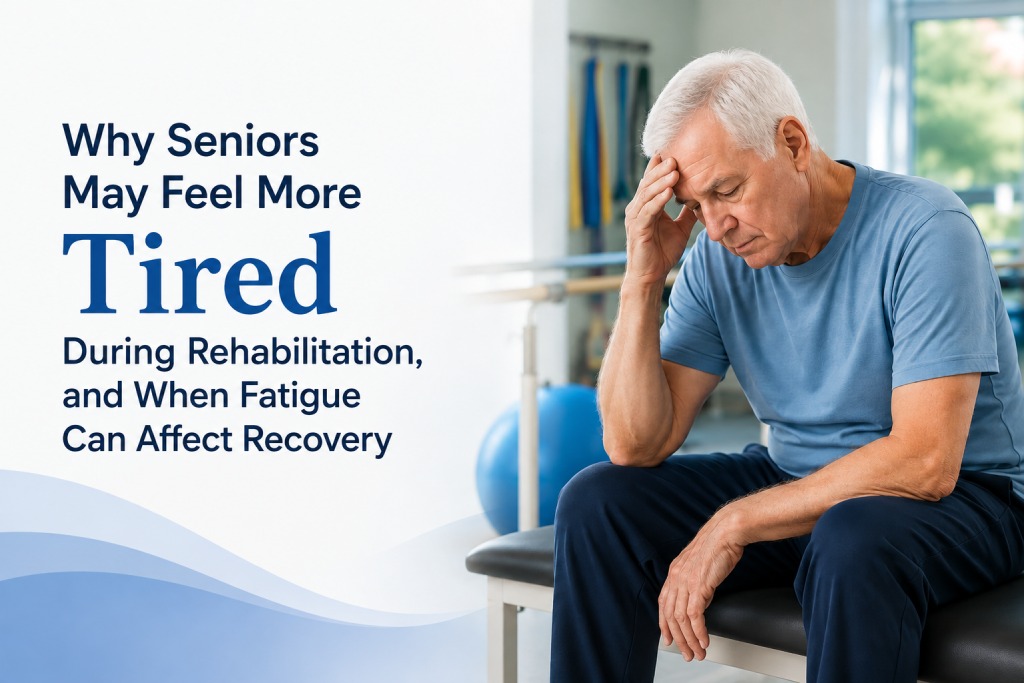

Why Seniors May Feel More Tired During Rehabilitation, and When Fatigue Can Affect Recovery
August 27, 2026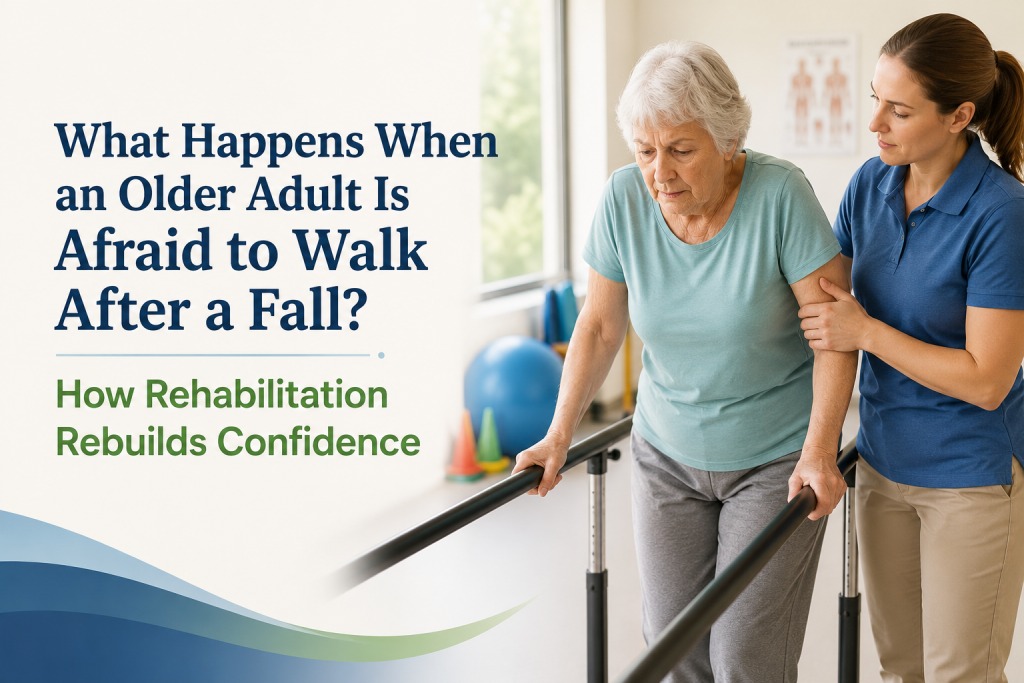
A fall can shake a person’s confidence long after the body has healed, and rebuilding that trust is part of recovery too
A fall can affect much more than an older adult’s physical health. Even when an injury is relatively minor, or after the physical injury has healed, the emotional impact can linger. Someone who once walked confidently through the house, went shopping independently, or enjoyed time outdoors may suddenly hesitate to stand up without assistance.
This fear is understandable. After experiencing a fall, many older adults worry that it will happen again. Unfortunately, that fear can sometimes lead them to move less, avoid activities they previously enjoyed, or rely more heavily on others. Over time, reduced activity can contribute to muscle weakness, poorer balance, and decreased endurance, potentially making safe movement even more difficult.
The goal of rehabilitation isn’t simply to get someone walking again. A thoughtful recovery program addresses both the physical and emotional sides of mobility, helping older adults gradually rebuild strength, practice safer movement, and regain trust in their own abilities.
Jump To Section
Where It Starts
Why Are Some Older Adults Afraid to Walk After a Fall?
Experiencing a fall can change the way someone thinks about everyday movement. Before the fall, getting out of a chair or walking to the kitchen may have happened automatically. Afterward, that same activity may feel risky.
An older adult may begin worrying about questions such as: What if my leg gives out? What if I lose my balance? What if nobody is nearby to help me?
These concerns can become particularly strong after a fall that resulted in hospitalization, a fracture, surgery, or a long recovery period. Even someone who wasn’t seriously injured may remember the fear, pain, or helplessness they experienced when the fall occurred.
Family members often notice the change before anyone talks about it. Common signs include:
Reaching for furniture while walking from room to room instead of moving freely
Refusing stairs or asking for assistance far more often than they used to
Avoiding walking altogether when there is any option to stay seated
Limiting trips to the bathroom, the dining room, or social activities because they’re afraid of falling
Recognizing this fear is an important part of recovery. Simply telling someone to be careful or to just start walking again may not address what they’re actually experiencing.
Why It Matters
Avoiding Movement Can Create a Difficult Cycle
It may seem logical that avoiding activity would reduce the risk of another fall. However, prolonged inactivity can create new challenges.
Muscles need regular use to maintain strength. When an older adult spends more time sitting or lying down, the muscles used for standing and walking can become weaker. Endurance may decrease, joints may become stiffer, and balance skills may decline. Eventually, standing and walking can feel even harder than before.
This can create a cycle: fear leads to less movement, less movement contributes to weakness, and weakness makes the person feel even less confident about walking.
One of the primary goals of old people rehab, more appropriately described as senior or geriatric rehabilitation, is to interrupt that cycle in a controlled, supportive environment. Rather than expecting someone to immediately return to their previous activity level, therapists help patients rebuild abilities gradually.
The Starting Point
Rehabilitation Begins With Understanding Why the Fall Happened
Not every fall occurs for the same reason, so rehabilitation shouldn’t take a one-size-fits-all approach. Before developing a treatment plan, rehabilitation professionals may assess several areas:
Physical ability including strength, balance, walking patterns, flexibility, and endurance
Everyday function meaning how well the person manages the daily activities that matter to them
Health factors such as medications, vision concerns, pain, and chronic medical conditions that could affect mobility
Understanding the circumstances surrounding the fall can help the team identify areas that need additional attention. For example, one patient may have significant leg weakness after hospitalization, while another struggles primarily with balance. Someone else may have adequate physical strength but lack confidence because they’re afraid of falling again.
An individualized rehabilitation program in Morehead can address these different challenges with goals tailored to each person’s needs.
Step By Step
Physical Therapy Helps Rebuild Strength and Balance
Physical therapy is often an important part of recovery after a fall. A physical therapist can guide the patient through exercises designed to strengthen the muscles needed for standing, walking, and maintaining balance. Therapy may also focus on flexibility, endurance, posture, and coordination. The progression usually unfolds in stages.
This progression gives patients repeated opportunities to experience successful movement, which can be an important part of rebuilding confidence.
Practical Support
Learning to Use Mobility Aids Safely
Walkers and canes can provide valuable support, but only when they’re appropriate for the individual and used correctly.
A device that is the wrong height or used improperly can interfere with balance rather than improve it. Some people may also become overly dependent on furniture or another person’s arm instead of using a recommended mobility aid.
During rehabilitation, therapists can evaluate whether an assistive device is appropriate and teach patients how to use it correctly. That practice often includes:
Practicing turns without losing balance
Navigating doorways and tighter indoor spaces
Getting up from chairs safely and with control
Walking on different surfaces, from carpet to sidewalk
The goal isn’t simply to provide a walker. It’s to help the individual understand how to move as safely and independently as their abilities allow.
Everyday Life
Occupational Therapy Can Make Everyday Activities Feel Safer
Fear after a fall doesn’t disappear when a therapy session ends. Patients need confidence performing real activities in real settings, too.
Occupational therapy can help older adults practice tasks such as bathing, dressing, toileting, and moving around everyday environments. Therapists may also introduce adaptive techniques or equipment that make these activities safer.
For someone preparing to return home, the rehabilitation team may discuss potential hazards, including:
Loose rugs that can slide or catch a foot
Cluttered walkways between frequently used rooms
Inadequate lighting, especially along nighttime routes
Difficult bathroom setups that make transfers awkward
These practical strategies help patients apply what they’ve learned in therapy to everyday life.
Patience Pays Off
Rebuilding Confidence Takes Time
Physical progress and emotional confidence don’t always improve at exactly the same pace. An older adult may become physically capable of walking before they truly believe they can do it safely. That’s why patience and encouragement are so important.
Therapists can help by establishing achievable goals and recognizing progress along the way. Walking several additional feet, standing with less assistance, or safely completing a transfer may seem like small accomplishments, but each successful experience helps reinforce the idea that movement can feel safe again.
Family members can support this process by encouraging independence without pressuring their loved one to move faster than recommended. It’s also important to follow the care team’s guidance rather than providing unnecessary assistance. Doing everything for someone may unintentionally reinforce the belief that they aren’t capable of doing things themselves.
The Whole Team
How Nursing Support Contributes to Recovery
Recovery after a fall may involve more than physical and occupational therapy. Some older adults are also managing pain, medications, surgical wounds, chronic medical conditions, or other health concerns.
A quality Morehead nursing care home can provide skilled nursing support alongside rehabilitation, allowing different members of the care team to work toward common recovery goals. On a typical day, that support looks like this:
Monitoring health so changes are noticed early rather than after they slow recovery
Medication management to keep prescriptions accurate, timely, and well understood
Pain support because comfort often determines how much a resident can participate in therapy
Clear communication that keeps therapists and medical providers working from the same information
When pain and other health needs are managed appropriately, patients may be better able to participate in therapy. This coordinated approach can be particularly valuable for older adults recovering from a fall that resulted in hospitalization or surgery.
Right Here In Morehead City
Helping Older Adults Move Forward at Crystal Bluffs
At Crystal Bluffs Rehabilitation & Health Care Center, we understand that recovering from a fall isn’t only about healing an injury. It’s also about helping residents feel comfortable moving again.
Our rehabilitation services are designed around each resident’s individual abilities, health needs, and goals. Through physical, occupational, and other appropriate therapies, residents can work on strength, balance, mobility, everyday activities, and greater independence in a supportive environment.
For families searching for an old people rehab program, we encourage looking beyond that general term and focusing on individualized senior rehabilitation services that recognize the unique needs of older adults. The right rehabilitation program in Morehead should consider not only what a resident can physically do today, but also what they hope to regain for the future.
Combined with compassionate Morehead nursing care home services, rehabilitation can provide the structure and support needed to help residents make progress safely and confidently. If you’d like to talk through what recovery could look like for your loved one, our team is easy to reach through our contact page.
Looking Ahead
Confidence Is an Important Part of Recovery
Fear of walking after a fall can be very real, and overcoming it rarely happens overnight. Older adults may need time to rebuild muscle strength, improve balance, practice safe movement, and learn to trust their bodies again.
The right rehabilitation program can make that process feel much more manageable. Instead of pushing someone beyond their comfort level, therapists can create gradual opportunities for success while addressing the physical limitations that may contribute to fall risk.
At Crystal Bluffs, our goal is to help residents move forward at an appropriate pace while working toward greater strength, mobility, and independence. With personalized rehabilitation, skilled nursing support, encouragement, and patience, a fall doesn’t have to mean giving up the activities that make everyday life meaningful.
Ready to Help Your Loved One Walk With Confidence Again?
Our rehabilitation and skilled nursing team in Morehead City would be glad to answer your questions and show you around. Schedule a tour or speak with a care coordinator today.