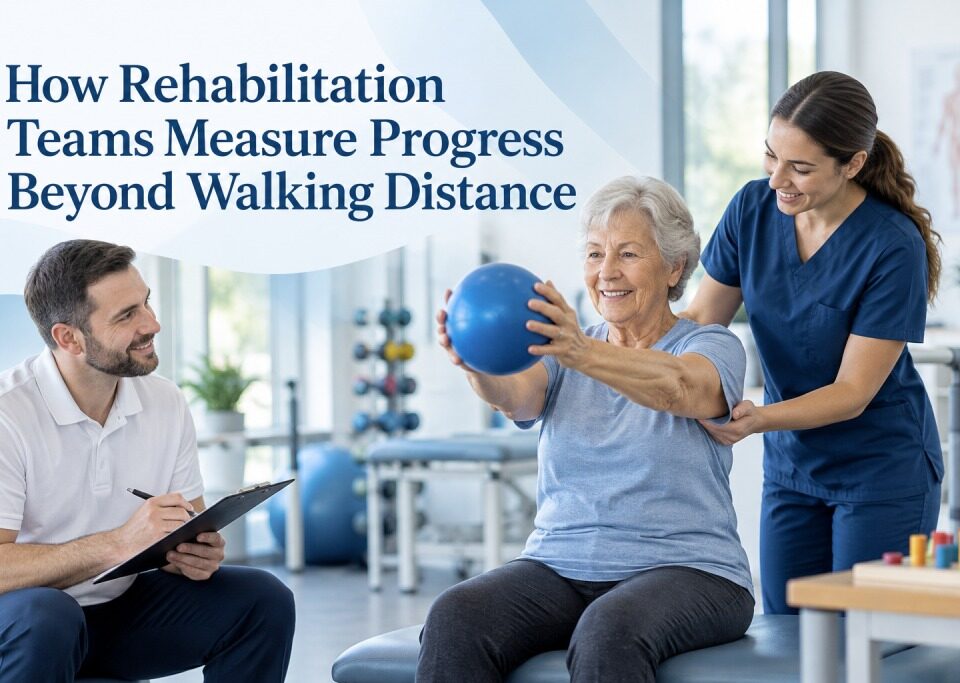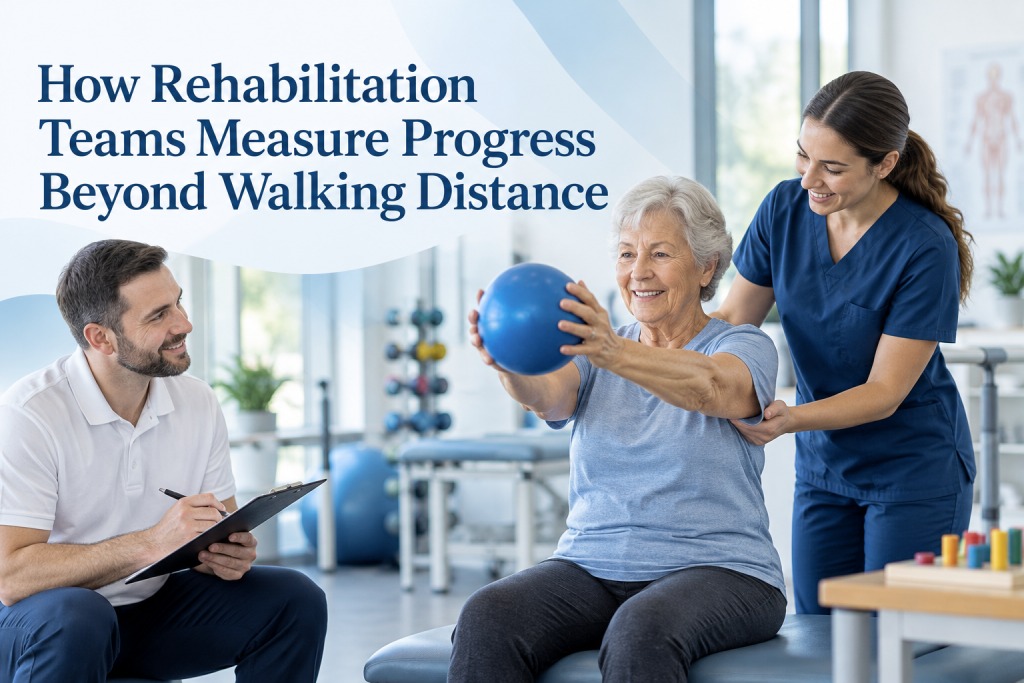

How Rehabilitation Teams Measure Progress Beyond Walking Distance
September 25, 2026
Real recovery often shows up in small, steady gains long before the big milestones arrive.
When a loved one begins rehabilitation after surgery, an injury, illness, or a hospital stay, it is natural to want to see progress. You may arrive for a visit hoping to see them walking farther, moving more easily, or looking noticeably stronger than they did a few days earlier. When those changes are not immediately obvious, it is easy to wonder: is rehabilitation actually working? The answer often requires looking beyond the biggest milestones.
Recovery tends to happen gradually, and meaningful progress can show up in ways that are easy to overlook. For families considering a rehabilitation program in Morehead City, NC, understanding how rehabilitation professionals measure improvement can provide a clearer picture of recovery. Instead of focusing on a single “before and after” moment, you can learn to recognize the smaller functional gains that may eventually add up to greater independence, such as:
Needing less help getting out of a chair
Standing more steadily at the sink
Walking the same distance with fewer rest breaks
Feeling more confident attempting an activity that previously made them nervous
Jump To Section
The Starting Point
Rehabilitation Progress Starts With Individual Goals
Before you can tell whether rehabilitation is working, it helps to know what your loved one is working toward. Rehabilitation goals should be based on each person’s medical condition, current abilities, previous level of function, safety needs, and plans for the future. That means progress will not look the same for every resident.
After joint surgery, someone may be focused on walking safely and managing stairs.
After an extended hospitalization, a person may first need to rebuild enough strength to stand and transfer safely.
Before returning home, another resident may be working on dressing, bathing, or other everyday activities.
Rather than asking only, “Are they getting better?” try asking a more useful question: “Are they making progress toward their individual goals?” Knowing those goals gives you something meaningful to look for.
A Clear Signal
Needing Less Assistance Can Be a Major Sign of Progress
One of the clearest signs of senior rehab progress is a change in how much help a resident needs. Take moving from the bed to a chair as an example:
The same progression can happen with walking, dressing, bathing, toileting, and other everyday activities. These improvements may not look dramatic to a visitor. Your loved one might still be using a walker or receiving some help, but needing less support than they did at admission can represent meaningful functional improvement.
When you are unsure what has changed, ask the therapy team. Comparing current abilities with your loved one’s starting point often provides a much clearer picture than judging one visit on its own.
Beyond Distance
Look at the Quality of Movement, Not Just Distance
Families understandably pay attention to how far a loved one can walk. However, distance is only one part of mobility. During physical therapy rehabilitation, therapists may also work on balance, posture, transfers, strength, coordination, endurance, and the safe use of assistive devices.
Imagine your loved one could walk 50 feet last week and still walks roughly 50 feet this week. At first, that may sound like no improvement at all. But what if last week they needed substantial assistance and stopped twice to rest, while this week they need less help and complete the distance more steadily? That can be meaningful progress, even though the number of feet has not changed.
In the same way, standing from a chair with better control or turning with greater stability can point to improvements that may eventually support safer mobility in everyday situations.
Daily Life
Everyday Activities Can Tell You a Lot
Some of the most meaningful signs that rehabilitation is working appear outside the therapy gym. During an ordinary visit, notice whether your loved one is:
Sitting up for longer periods
Adjusting their position more easily
Participating more in getting dressed or grooming
Reaching for something on the bedside table without losing their balance
Occupational therapy may focus specifically on activities of daily living, including bathing, dressing, grooming, toileting, and other tasks that affect independence. A resident does not need to complete an entire activity independently for progress to be happening. Being able to complete one additional step of a task, or needing less help with it, can be an important improvement.
These functional changes matter because rehabilitation is not simply about doing exercises well. The larger goal is often to help residents use their improving skills in everyday life.
Stamina
Increased Endurance Is Easy to Miss
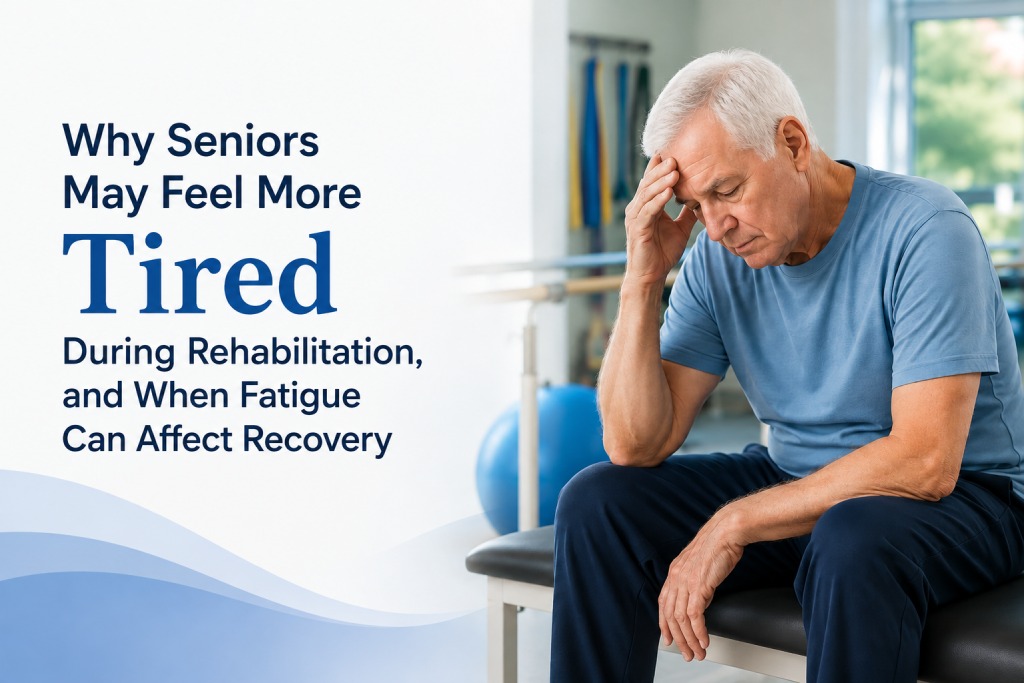
Strength gets a lot of attention during rehabilitation, but endurance can be just as important. After a hospitalization or illness, even relatively simple activities may leave an older adult exhausted. Walking to the bathroom, getting dressed, and sitting up for breakfast may require far more energy than they did before.
As recovery moves forward, you may notice your loved one can take part in an activity for longer before needing to rest. They may tolerate more walking, spend more time out of bed, or complete several parts of their daily routine without becoming as tired. These changes can point to improving activity tolerance.
Within a rehabilitation program in Morehead City, NC, therapists can gradually build endurance according to each resident’s abilities, medical condition, and individual plan of care.
Growing Confidence
Confidence Can Be a Sign of Recovery
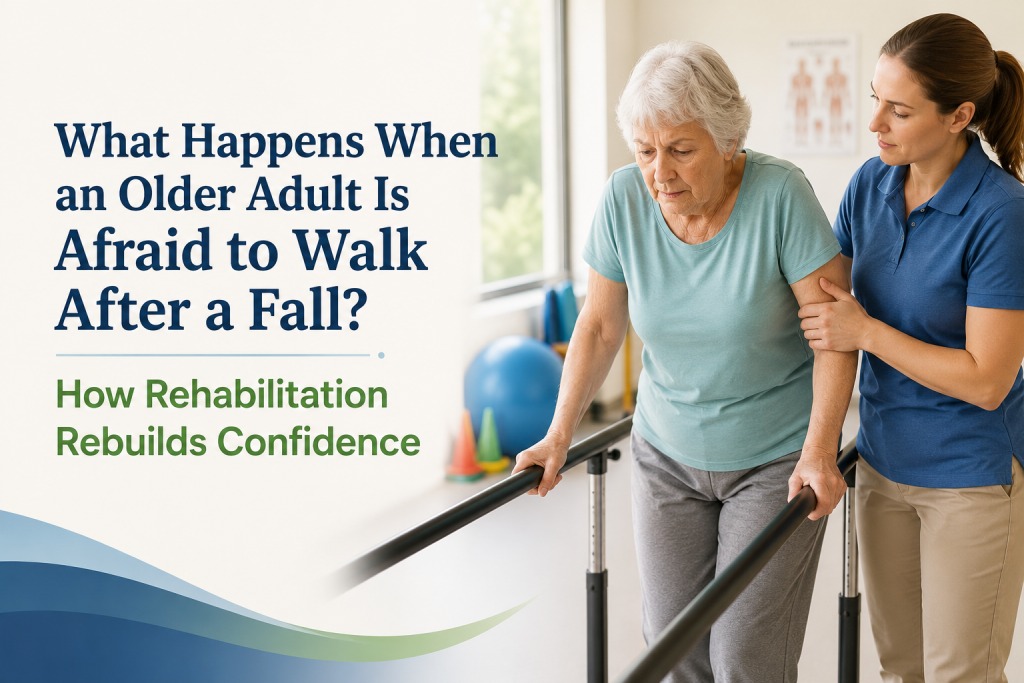
Physical changes are not the only signs worth watching. After a fall, surgery, serious illness, or a long hospital stay, some older adults become understandably nervous about moving. Someone who fell at home may be afraid to walk again, even after their physical condition begins improving.
As residents practice skills in rehabilitation, they may gradually become more willing to participate. They might start a transfer on their own rather than waiting for someone else to do everything, walk with less hesitation, or show greater confidence using an assistive device. That growing confidence can be meaningful.
Of course, confidence should develop alongside safe techniques and the right amount of support. The goal is not to encourage anyone to attempt activities beyond their current abilities. Instead, rehabilitation helps residents practice skills while learning how to move more safely within their limits.
The Bigger Picture
Progress Does Not Always Happen in a Straight Line
A difficult day does not automatically mean rehabilitation is not working. Recovery can fluctuate. Pain, fatigue, sleep, medications, appetite, medical conditions, and even the intensity of the previous day’s activities can all affect what a resident is able to do on a particular day.
For this reason, therapists evaluate progress over time rather than judging recovery from a single session. Families can take the same approach. Instead of comparing Tuesday with Wednesday, consider how your loved one’s abilities have changed since admission or over the past week or two.
If you notice a significant or unexpected decline, please bring it to the care team’s attention. Changes in function can sometimes reflect a medical issue that needs evaluation.
Talk to the Team
Ask the Rehabilitation Team Specific Questions
One of the easiest ways to understand senior rehab progress is simply to ask. Instead of “How are they doing?” try more specific questions like these:
What could my loved one do when they arrived?
What can they do now?
Are they requiring less assistance?
Which goals have they met?
What are they working on next?
Are there any barriers slowing their progress?
These questions can give you a much more concrete understanding of recovery. It can also help to ask how current goals relate to your loved one’s discharge plan. If they hope to return home, find out which abilities the team considers especially important for that transition.
Knowing what comes next can help you support the rehabilitation process without placing unnecessary pressure on your loved one.
Why It Matters
Recovery Should Connect to Real-Life Needs
Ultimately, rehabilitation is most meaningful when improvement carries over into everyday life. Being able to perform an exercise during therapy is useful, but the larger question is whether those improving abilities help your loved one function more safely and independently. For example, during physical therapy rehabilitation:
Strengthening exercises may contribute to standing more easily from a chair.
Balance training may help with walking through the home.
Practicing transfers may make it easier to get in and out of bed or use the bathroom.
This connection between therapy and everyday function is one reason individualized goals are so important. For someone planning to return to a one-story home with family support, the priorities may be different from those of someone who lives alone and must navigate stairs. Progress should always be considered in the context of the person’s actual life and expected next setting.
Our Approach
Recognizing Progress at Crystal Bluffs
At Crystal Bluffs Rehabilitation & Health Care Center, rehabilitation is centered on each resident’s individual needs, abilities, and goals. For families exploring a rehabilitation program in Morehead City, NC, understanding how progress is measured can make the recovery process easier to follow. Improvements may appear in strength and walking, but they may also show up as:
Better balance
Increased endurance
Greater participation in daily activities
A reduced need for assistance
Growing confidence
Some milestones will be easy to see. Others may require a closer look. Rather than waiting for one dramatic breakthrough, families can focus on the smaller achievements that build on each other and move their loved one toward meaningful goals. Asking questions, understanding the rehabilitation plan, and comparing current abilities with your loved one’s starting point can give you a much clearer picture of whether recovery is moving forward.
In rehabilitation, progress is not always about how quickly someone gets from point A to point B. Sometimes it is about needing one less helping hand along the way.
Common Questions
Frequently Asked Questions About Senior Rehabilitation Progress
Have Questions About Your Loved One’s Recovery?
Our rehabilitation team right here in Morehead City is happy to walk you through how goals are set, how progress is tracked, and what the next step could look like for your family. Schedule a tour or reach out to talk with the Crystal Bluffs team today.