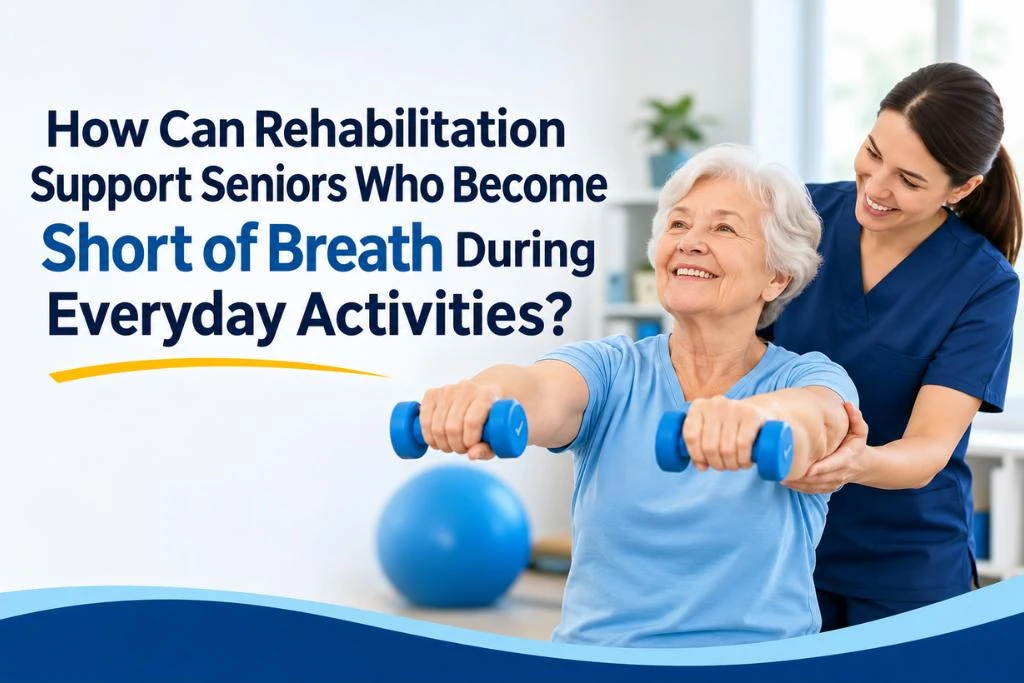
With the right medical care and individualized therapy, many older adults can learn to manage breathlessness and stay more active in daily life.
Walking to the kitchen, getting dressed, taking a shower, or climbing a few stairs are activities most people do without thinking much about their breathing. For some older adults, however, these everyday tasks can become surprisingly difficult. What once required little effort may now leave them feeling winded, exhausted, or needing to sit down and catch their breath. When shortness of breath begins interfering with daily routines, it can affect much more than physical comfort. It may also limit independence, reduce confidence, and make seniors hesitant to participate in activities they previously enjoyed.
Shortness of breath, also called dyspnea, can develop for several reasons, including chronic respiratory conditions, heart problems, reduced physical conditioning, or complications following an illness or hospitalization. Regardless of the cause, struggling to breathe comfortably during ordinary activities can be frustrating and sometimes frightening. Seniors may begin avoiding movement because they worry about becoming breathless, but prolonged inactivity can contribute to further weakness and reduced endurance.
With appropriate medical evaluation and individualized rehabilitation, many older adults can learn strategies to manage activity-related breathlessness, improve their physical conditioning, and participate more comfortably in daily life. For families exploring rehabilitation therapy in Morehead City, NC, understanding how therapy addresses breathing difficulties can help them make informed decisions about a loved one’s recovery needs.
Jump To Section
Understanding Breathlessness
Why Do Some Seniors Become Short of Breath During Everyday Activities?
Shortness of breath occurs when a person feels they cannot breathe comfortably or get enough air. Although occasional breathlessness during strenuous exercise can be normal, becoming winded during simple daily activities deserves attention, especially when symptoms are new, worsening, or interfering with independence.
Several medical conditions can contribute to breathing difficulties in older adults. Chronic obstructive pulmonary disease (COPD), asthma, heart failure, anemia, and respiratory infections may affect the body’s ability to deliver or use oxygen efficiently. Some seniors also experience reduced endurance after surgery or a lengthy hospitalization, especially when extended inactivity has weakened the muscles involved in everyday movement.
In some cases, multiple factors contribute to the problem. A senior recovering from pneumonia may have reduced lung function while also experiencing muscle weakness from spending several days in bed. Another individual managing a chronic heart or lung condition may become breathless more quickly because ordinary activities place greater demands on their body.
Because shortness of breath can indicate a medical problem, identifying and treating its underlying cause is an essential first step. Rehabilitation can help address functional limitations and activity tolerance, but it should complement appropriate medical care rather than replace it.
Sudden or severe shortness of breath, especially when accompanied by chest pain, fainting, confusion, or blue or gray discoloration of the lips, requires emergency medical attention. New or worsening breathlessness should also be reported promptly to a healthcare professional.
Everyday Impact
How Shortness of Breath Can Affect a Senior’s Independence
Breathing difficulties can gradually change how older adults approach their daily routines. Someone who becomes winded while walking may begin limiting trips around the house, while another person may avoid showering because standing and reaching leave them exhausted. Over time, these adjustments can make it harder to maintain independence and participate in meaningful activities.
Personal care tasks can be especially challenging because they often require several movements in succession. Bathing, dressing, and grooming may involve bending, reaching, standing, and changing positions, all of which can increase physical demands. Even preparing a simple meal can become tiring when someone must repeatedly walk between the refrigerator, cabinets, and countertop.
Breathlessness can also affect emotional well-being. Seniors may feel embarrassed about needing frequent breaks or become anxious when they experience difficulty breathing. Some begin avoiding social gatherings or family outings because they worry about keeping up with others. These concerns are understandable, but withdrawing from activity can contribute to isolation and further physical deconditioning.
Rehabilitation focuses on helping individuals address these challenges in practical ways. Rather than expecting every resident to complete activities at the same pace, therapy can help seniors understand their current abilities, learn safer techniques, and gradually work toward meaningful functional goals.
Physical Therapy
How Rehabilitation Therapy Helps Seniors Build Endurance
One of the ways rehabilitation may help seniors who experience activity-related breathlessness is through carefully monitored physical conditioning. When someone has been inactive because of illness, hospitalization, or chronic symptoms, even short periods of movement can feel demanding. Gradually rebuilding endurance may help improve the ability to perform everyday activities without becoming unnecessarily fatigued.
Physical therapy programs may include appropriate walking exercises, strengthening activities, balance training, and functional movement practice. The type and intensity of exercise depend on the individual’s medical condition, physical abilities, and tolerance for activity. Therapists may also monitor symptoms and other clinical measures as appropriate to help determine whether activity should continue, be modified, or stopped.
For example, a resident who initially becomes breathless after walking a short distance may begin with manageable activity periods and scheduled rest breaks. As conditioning improves, the therapy team may adjust the program to support gradual progress. The objective isn’t to push through significant breathing difficulties but to help the individual build functional capacity within medically appropriate limits.
For seniors receiving rehabilitation therapy in Morehead City, NC, this individualized approach can be particularly valuable after a hospital stay or medical event that has affected strength, mobility, and endurance. Improvements may occur gradually, and the amount of progress possible depends on the underlying condition and the person’s overall health.
Breathing Strategies
Breathing Techniques That May Help During Activity
In addition to physical conditioning, rehabilitation professionals may teach breathing strategies that help certain individuals manage breathlessness during daily activities. These techniques are often used as part of broader rehabilitation or pulmonary rehabilitation programs, particularly for people with chronic respiratory conditions.
Breathing techniques aren’t equally effective or appropriate for everyone, and they don’t treat the underlying cause of shortness of breath. A healthcare professional or qualified therapist can help determine which strategies suit an individual’s condition. Seniors should also understand that persistent or worsening symptoms shouldn’t be managed with breathing exercises alone.
Energy Conservation
Energy Conservation Makes Daily Activities More Manageable
For seniors who become short of breath during everyday tasks, learning how to conserve energy can be just as important as improving endurance. Energy conservation involves organizing activities, reducing unnecessary effort, and balancing movement with appropriate rest so that essential routines become more manageable.
Occupational therapy often plays an important role in teaching these techniques. A therapist may help a resident identify which activities cause the most breathlessness and explore ways to complete them with less physical strain. This could involve:
Sitting while getting dressed
Gathering supplies before beginning a task
Dividing a demanding activity into smaller steps
Consider a senior who becomes winded while preparing breakfast. Rather than standing continuously and making repeated trips across the kitchen, the person may learn to organize ingredients in advance, complete certain tasks while seated, and take short breaks when needed. These adjustments can help preserve energy for other important activities throughout the day.
Energy conservation doesn’t mean eliminating physical activity or avoiding necessary movement. Instead, it allows seniors to use their available endurance more effectively while continuing to work toward greater functional independence. When combined with appropriate exercise and rehabilitation, these strategies may help residents maintain a more balanced daily routine.
Occupational Therapy
How Occupational Therapy Supports Safer Personal Care
Shortness of breath can make bathing, dressing, grooming, and other personal care activities particularly challenging. These routines often involve sustained movement, bending, reaching, or standing, which may increase breathing demands for someone with limited endurance.
Occupational therapists help residents develop practical approaches to completing these activities more safely and efficiently. Depending on the individual’s needs, therapy may involve practicing seated dressing techniques, learning to use adaptive equipment, or adjusting the order in which tasks are completed. The goal is to reduce unnecessary physical effort while encouraging as much independence as possible.
For example, a resident who becomes breathless during a shower may benefit from using a recommended shower chair, arranging supplies within easy reach, and allowing enough time for the activity. Someone who struggles with dressing may learn techniques that reduce repeated bending or prolonged standing.
These adjustments can be especially important when preparing to return home. By practicing daily routines during rehabilitation, seniors can become more familiar with strategies that may help them manage personal care tasks in their own environment.
Medical Coordination
The Importance of Skilled Nursing Support and Medical Coordination
For some older adults, shortness of breath is associated with medical conditions that require ongoing monitoring and treatment. Seniors recovering from respiratory infections, managing chronic lung disease, or living with certain heart conditions may need more than therapy alone to address their recovery needs.
In an appropriate skilled nursing setting, nursing professionals can help monitor symptoms, administer prescribed medications, and communicate changes in a resident’s condition to the medical team. Depending on the individual’s care plan and facility capabilities, additional support may be needed for respiratory treatments or other medical concerns.
Coordination between nursing staff, rehabilitation professionals, and healthcare providers is important because changes in medical status can affect how much activity a resident can safely tolerate. A person experiencing increased breathlessness, dizziness, unusual fatigue, or other concerning symptoms may need medical reassessment before continuing a planned therapy session.
This coordinated approach helps ensure that rehabilitation goals remain appropriate for the individual’s current condition. For families considering short-term residential care, understanding how medical needs and therapy services work together can be an important part of choosing the right level of support.
Rebuilding Confidence
Rebuilding Confidence After Breathing Difficulties
Physical limitations are only one part of living with shortness of breath. For many seniors, the fear of becoming breathless can be just as disruptive as the symptoms themselves. Someone who experienced a frightening episode of breathing difficulty may become reluctant to walk, exercise, or participate in social activities, even after their medical condition has stabilized.
Rehabilitation can provide opportunities to rebuild confidence through supervised practice, education, and realistic goal setting. A resident may start with short walks or everyday movements with appropriate assistance, gradually becoming more comfortable with their abilities and recognizing when rest is needed.
Learning how to respond to mild, expected activity-related breathlessness can also help some individuals feel more prepared. Understanding pacing strategies, appropriate breathing techniques, and personal activity limits may reduce uncertainty, although concerning symptoms should always be evaluated rather than ignored.
Confidence often develops alongside functional improvement. As seniors become more familiar with their capabilities and learn ways to manage daily tasks, they may feel better prepared to participate in family visits, recreational activities, and other experiences that contribute to quality of life.
Going Home
Preparing for a Safer Return Home
For seniors receiving rehabilitation after illness or hospitalization, returning home is often an important goal. However, managing breathlessness in a rehabilitation setting may be different from managing it independently at home, where daily responsibilities and environmental challenges can vary.
Discharge planning helps identify the support, equipment, and follow-up services a person may need after leaving a care facility. For example, a senior who becomes short of breath while climbing stairs may need to consider whether essential living spaces can be accessed safely. Someone who struggles with meal preparation may benefit from reorganizing the kitchen or arranging temporary assistance with household tasks.
Families can support this transition by learning about their loved one’s activity limitations and understanding which symptoms require medical attention. They may also help create a more manageable home environment by:
Keeping frequently used items within easy reach
Reducing tripping hazards
Allowing sufficient time for daily routines
Some individuals may benefit from continued physical or occupational therapy after discharge, while others with chronic respiratory conditions may be candidates for a specialized pulmonary rehabilitation program. The appropriate follow-up plan depends on the underlying medical condition, functional abilities, and the healthcare team’s recommendations.
Our Approach
Supporting Senior Rehabilitation at Crystal Bluffs
At Crystal Bluffs Rehabilitation & Health Care Center, we understand that recovering from illness or hospitalization can involve challenges that affect many aspects of daily life. For seniors who experience shortness of breath during ordinary activities, rebuilding strength and learning practical ways to manage physical demands may be important parts of the rehabilitation process.
Our care and rehabilitation services are designed to address individual needs and support residents as they work toward their functional goals. Depending on a resident’s medical condition and care plan, rehabilitation may focus on improving mobility, increasing activity tolerance, practicing daily living skills, and developing strategies that make everyday routines more manageable.
For families searching for a Morehead nursing home or exploring senior rehab in NC, it’s important to consider how a facility addresses both medical needs and functional recovery. A personalized approach recognizes that every resident has different abilities, health concerns, and goals, particularly when fatigue or breathing difficulties affect participation in daily activities.
Shortness of breath can make ordinary tasks feel overwhelming, but seniors don’t necessarily have to abandon the activities that are important to them. With appropriate medical care, individualized rehabilitation, and practical strategies for managing daily routines, many older adults can work toward improved endurance, greater confidence, and safer participation in everyday life.
At Crystal Bluffs, our focus is on supporting residents throughout their recovery journey and helping them prepare for the next stage of care with skills that reflect their individual needs and abilities.
FAQs
Frequently Asked Questions About Shortness of Breath and Senior Rehabilitation
Helping Your Loved One Build Endurance With Confidence
Our therapy and nursing teams here in Morehead City work with each resident on individualized goals for strength, endurance, and daily living skills. Reach out to schedule a tour or talk with our team about your family’s rehabilitation needs.