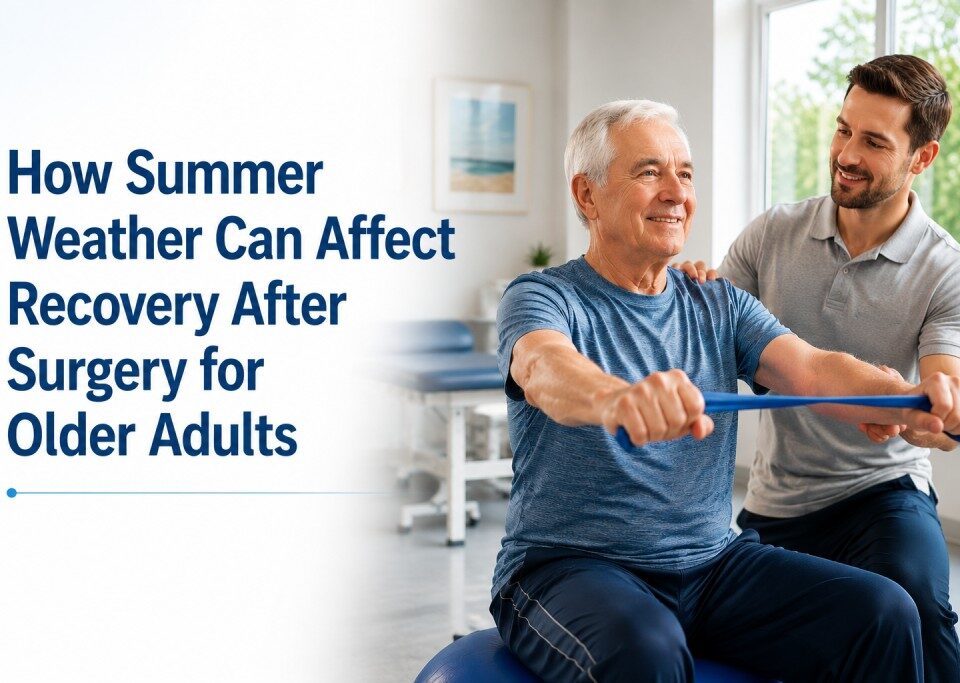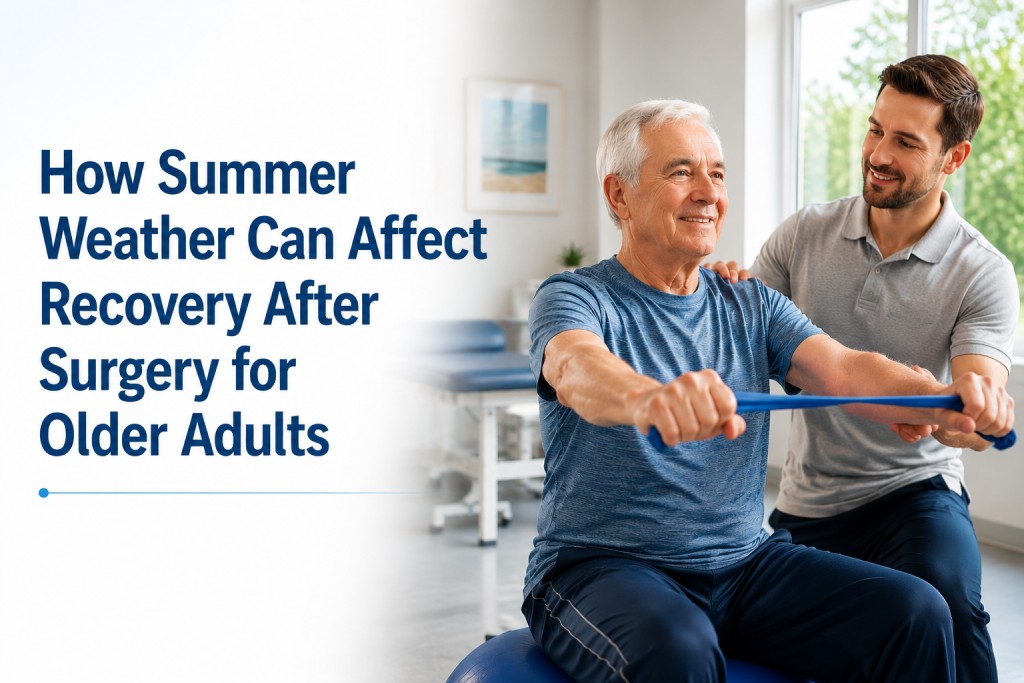

How Summer Weather Can Affect Recovery After Surgery for Older Adults
July 17, 2026
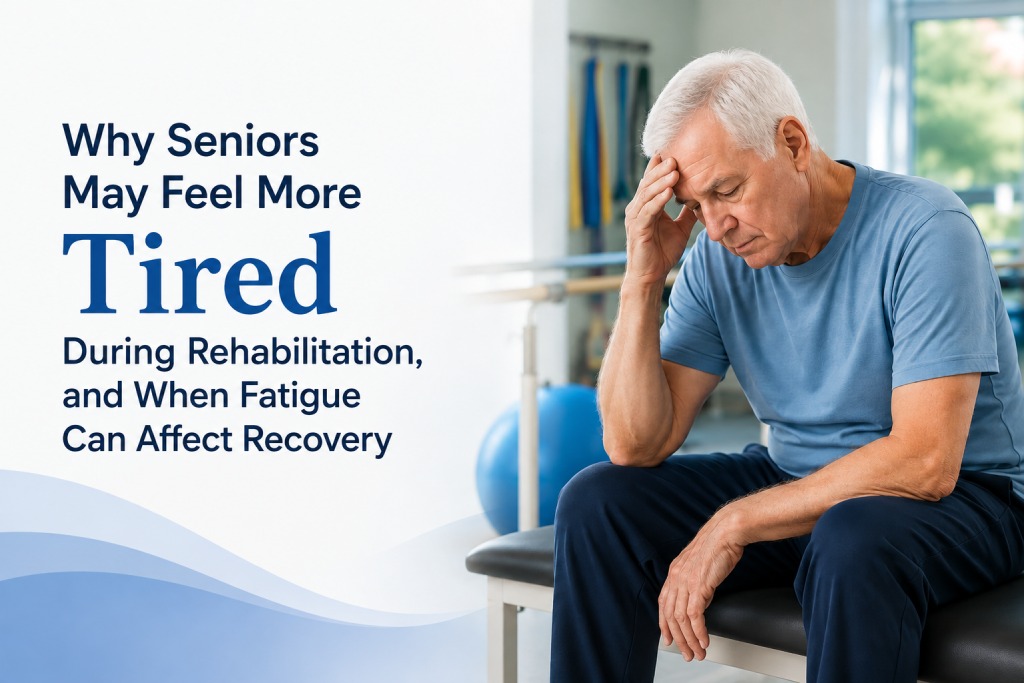
Why Seniors May Feel More Tired During Rehabilitation, and When Fatigue Can Affect Recovery
August 27, 2026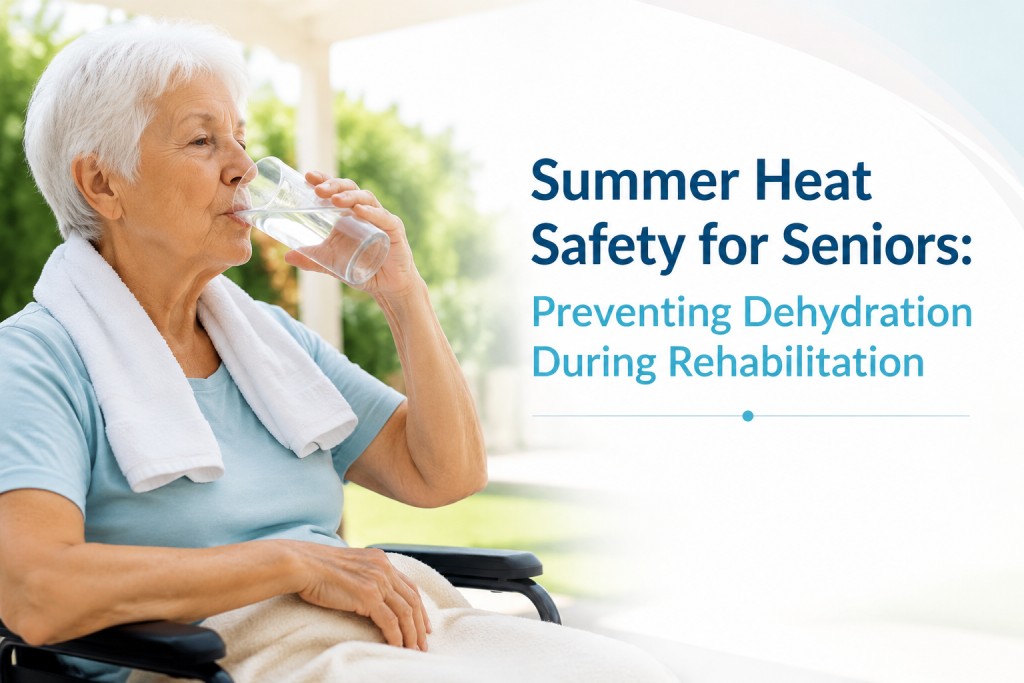
Dehydration can develop quietly during recovery, and a few simple habits keep older adults safe and comfortable all summer.
Summer brings longer days, sunshine, and more opportunities to enjoy time outdoors, but it also introduces unique health challenges for older adults, especially those recovering from illness, injury, surgery, or hospitalization. During rehabilitation, the body is already working hard to heal and rebuild strength. Add high temperatures and increased humidity to the equation, and staying properly hydrated becomes even more important.
Many seniors are surprised to learn that dehydration can happen quickly and sometimes without obvious warning signs. As we age, our sense of thirst naturally decreases, making it easier to become dehydrated before realizing there is a problem. Certain medications, chronic health conditions, and rehabilitation activities can increase fluid needs even further.
Fortunately, with proper planning, attentive care, and a few simple habits, dehydration and heat-related illnesses can often be prevented. At Crystal Bluffs Rehabilitation and Health Care Center, we understand how important hydration and heat safety are during recovery, and our team works closely with residents to help them stay healthy, comfortable, and progressing toward their rehabilitation goals throughout the summer months.
Jump To Section
Understanding the Risk
Why Seniors Are More Vulnerable to Dehydration
Our bodies naturally become less efficient at regulating temperature as we age. Older adults often produce less sweat, experience changes in kidney function, and may not feel thirsty until dehydration has already begun to develop. In addition, many seniors take medications that can increase fluid loss or affect the body’s ability to maintain proper hydration.
Common factors that can increase the risk of dehydration include:
Diuretic medications
Heart disease
Diabetes
Kidney conditions
Reduced mobility
Cognitive impairment
Difficulty swallowing
Poor appetite
Recent illness or surgery
When rehabilitation is added to the picture, fluid needs may increase even more. Physical therapy sessions, exercise programs, and increased activity levels all require the body to use additional energy and fluids to support healing and recovery.
The Basics
Why Hydration Matters During Rehabilitation
Proper hydration affects nearly every aspect of the recovery process. Water helps regulate body temperature, transport nutrients, support circulation, maintain healthy blood pressure, and aid muscle function. Even mild dehydration can make rehabilitation more difficult by causing fatigue, weakness, dizziness, and reduced endurance during therapy sessions.
For seniors working to regain strength and mobility, these symptoms can interfere with progress and increase the risk of falls or setbacks. Hydration also plays an important role in supporting cognitive function. Dehydration can sometimes contribute to confusion, headaches, irritability, and difficulty concentrating, all of which can make participating in therapy more challenging.
Simply put, staying hydrated helps the body perform the work of healing more efficiently.
What to Watch For
Recognizing the Signs of Dehydration
One of the challenges with dehydration is that symptoms may initially appear mild or easy to overlook. Family members and caregivers should watch for signs such as:
Dry mouth or lips
Dark-colored urine
Fatigue or unusual sleepiness
Dizziness or lightheadedness
Headaches
Muscle cramps
Confusion or increased forgetfulness
Reduced appetite
Rapid heartbeat
If left untreated, dehydration can become serious and may require medical attention. Early recognition and intervention are key to preventing complications.
Practical Habits
Simple Hydration Strategies That Make a Difference
Fortunately, staying hydrated does not have to be complicated. Encouraging regular fluid intake throughout the day is often more effective than waiting until someone feels thirsty. Small, consistent amounts of fluid are generally easier to manage than trying to drink large amounts all at once. Helpful strategies include:
Keeping water within easy reach
Offering beverages regularly throughout the day
Including water-rich foods such as watermelon, cucumbers, oranges, and berries
Choosing decaffeinated beverages when appropriate
Using cups or bottles that are easy to hold and lift
Monitoring fluid intake during hot weather
Some seniors may prefer flavored water, herbal tea, or low-sugar electrolyte beverages if plain water becomes less appealing. The goal is to make hydration both accessible and enjoyable.
Time Outdoors
Staying Safe During Outdoor Activities
Fresh air and sunshine can provide important emotional and physical benefits during rehabilitation, but outdoor activities require additional precautions during the summer.
Whenever possible, outdoor time should be scheduled during cooler parts of the day, such as early morning or evening hours. Lightweight clothing, wide-brimmed hats, and shaded areas can help reduce heat exposure.
Residents and families should also be mindful of humidity levels, which can make the body work harder to cool itself even when temperatures seem manageable. Taking frequent breaks and returning indoors when temperatures rise can help prevent overheating and exhaustion.
Meals and Fluids
Nutrition Supports Hydration Too
Hydration does not come only from beverages. Many foods contain significant amounts of water and can contribute to daily fluid intake while also supporting healing and recovery. Fruits, vegetables, soups, yogurt, and smoothies can all help maintain hydration levels while providing important nutrients needed for tissue repair and energy production.
This is particularly important for seniors participating in rehabilitation programs where adequate nutrition directly affects strength, endurance, and recovery outcomes. A balanced diet and proper hydration work hand in hand to support the healing process.
Professional Oversight
How Skilled Nursing Teams Help Protect Residents During Hot Weather
One advantage of receiving care in a rehabilitation setting is having trained professionals who actively monitor hydration and overall health.
Nurses and caregivers routinely observe for early signs of dehydration, monitor fluid intake when needed, and work closely with physicians and dietitians to address changing health needs. Therapy schedules can also be adjusted during periods of extreme heat to ensure residents remain comfortable and safe while continuing to make progress toward their goals.
This coordinated approach becomes especially important for individuals recovering from strokes or neurological events who may have swallowing difficulties or communication challenges that make it harder to express thirst or discomfort. Families searching for a trusted skilled nursing and stroke rehabilitation setting often find that this level of oversight provides tremendous peace of mind during recovery.
Our Approach
Supporting Recovery at Crystal Bluffs Rehabilitation and Health Care Center
Summer recovery requires balancing rehabilitation goals with heat safety precautions, and the right care environment can make all the difference.
At Crystal Bluffs Rehabilitation and Health Care Center, our team understands the unique challenges seniors face during warmer months. As a rehabilitation center that families near Morehead City, NC depend on, we provide personalized care plans that include hydration support, skilled nursing services, therapy programs, and close health monitoring to help residents recover safely and comfortably. Whether an individual is participating in short-term rehabilitation or receiving long-term residential nursing care, our focus remains on promoting healing, independence, and quality of life in every season.
In Closing
A Safe, Comfortable Summer of Progress
Summer heat can create additional challenges for older adults recovering from illness, injury, or hospitalization, but dehydration and heat-related complications are often preventable with the right support and preparation.
By encouraging regular fluid intake, recognizing early warning signs, supporting good nutrition, and adjusting activities during periods of extreme heat, seniors can continue making progress toward their rehabilitation goals while staying safe and comfortable.
At Crystal Bluffs Rehabilitation and Health Care Center, we are proud to provide compassionate care and individualized support that helps residents stay healthy, hydrated, and focused on recovery. Whether you are looking for a trusted rehabilitation center, specialized stroke rehabilitation services, or compassionate residential nursing care, our team is here to support every step of the journey toward renewed strength and independence.
Questions About Summer Care and Recovery?
Our team is happy to talk through hydration support, therapy schedules, and daily life at Crystal Bluffs Rehabilitation and Health Care Center. Reach out or schedule a tour whenever you are ready.