
What Happens After Hospital Discharge? A Guide to Transitional Rehabilitation
May 19, 2026
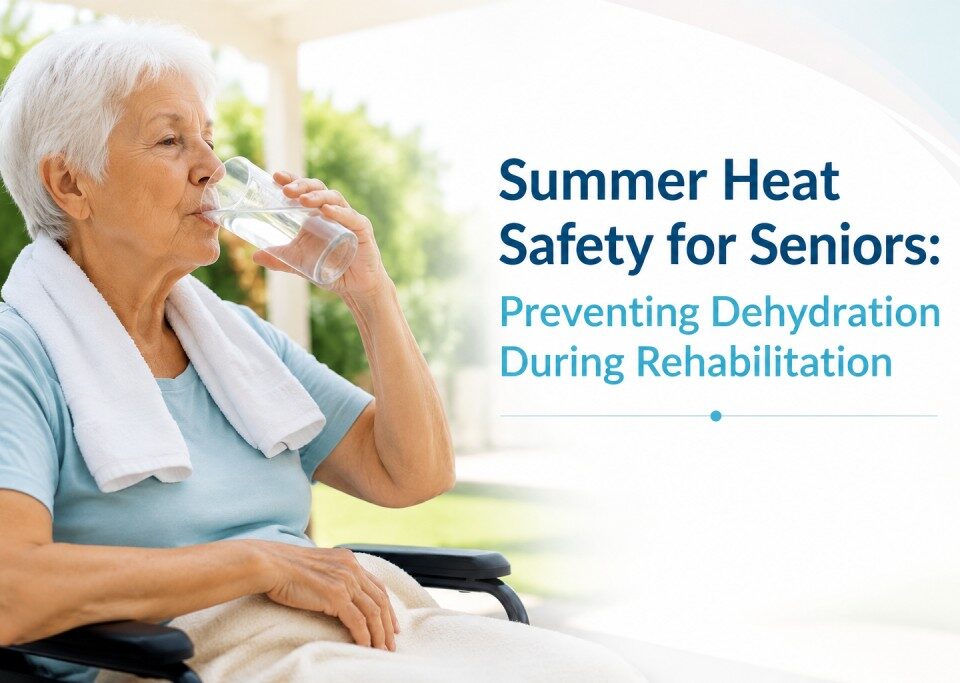
Summer Heat Safety for Seniors: Preventing Dehydration During Rehabilitation
July 24, 2026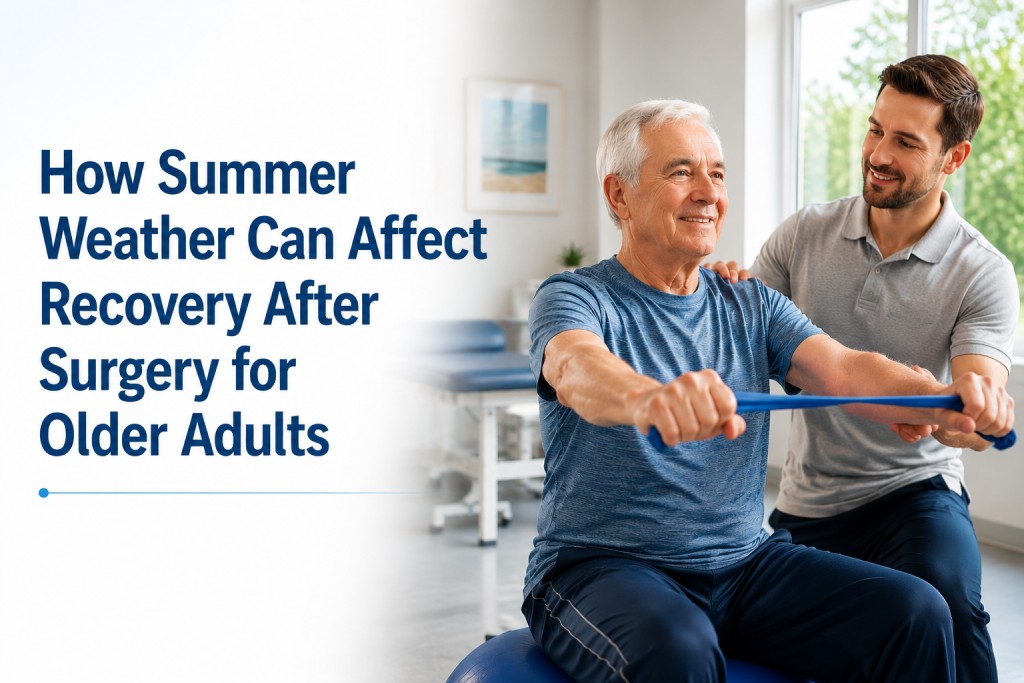
Warm weather changes what healing asks of the body, and a little planning keeps recovery moving forward all season long.
Recovering from surgery is a journey that requires patience, support, and the right environment for healing. For older adults, that recovery process can be influenced by many factors, including nutrition, mobility, pain management, and overall health. One factor that families do not always consider, however, is the impact of the season itself.
While summer brings sunshine, longer days, and opportunities to spend time outdoors, warmer temperatures can also create unique challenges for seniors recovering from surgery. Heat, humidity, dehydration, and changes in activity levels can all affect how the body heals and responds during the critical weeks following a procedure.
The good news is that with thoughtful planning and professional support, older adults can continue making steady progress throughout the summer months while avoiding many common complications. Understanding how hot weather affects recovery can help patients and families take proactive steps that promote comfort, safety, and successful rehabilitation.
Jump To Section
Season and Recovery
Why Summer Recovery Can Be More Challenging for Seniors
As we age, our bodies become less efficient at regulating temperature and responding to heat. Older adults often sweat less, experience changes in circulation, and may not feel thirsty until dehydration has already begun to develop. Many also take medications that affect fluid balance or increase sensitivity to heat.
After surgery, the body is already working hard to heal tissues, manage inflammation, and rebuild strength. This process requires additional energy and places greater demands on hydration and nutrition. High temperatures can increase fatigue, reduce appetite, and make even simple activities feel more exhausting than usual.
For seniors participating in rehabilitation, these challenges can sometimes slow progress if they are not addressed early. Fortunately, awareness and proper care go a long way toward supporting a safe recovery.
Hydration
Dehydration Can Affect Healing
One of the biggest concerns during summer recovery is dehydration. Water plays an essential role in nearly every aspect of healing. Proper hydration supports circulation, helps transport nutrients to healing tissues, regulates body temperature, and assists with medication metabolism.
Even mild dehydration can lead to fatigue, dizziness, headaches, muscle weakness, and confusion, all of which may interfere with rehabilitation efforts. For patients recovering from surgery, dehydration may also contribute to constipation, increase fall risk, and make participating in physical therapy sessions more difficult.
Encouraging small, frequent amounts of fluid throughout the day is often more effective than waiting until thirst develops. Water is always an excellent option, but soups, fruits, vegetables, herbal teas, and electrolyte beverages may also contribute to healthy hydration levels.
Energy Levels
Heat and Humidity Can Increase Fatigue
It is not unusual for patients to feel tired after surgery, but summer heat can amplify that fatigue considerably. High humidity forces the body to work harder to stay cool, which means activities that might normally feel manageable can suddenly become more draining.
Walking to therapy, completing exercises, or even moving around a room may require more energy during periods of extreme heat. Listening to the body’s signals becomes especially important during recovery.
Many rehabilitation teams adjust schedules during hotter months to allow for rest periods and avoid unnecessary heat exposure while still maintaining progress toward recovery goals.
Comfort and Mobility
Swelling May Be More Noticeable in Warm Weather
Many surgical procedures involve some degree of swelling during the healing process, particularly joint replacements and orthopedic surgeries. Warm temperatures can sometimes increase swelling by causing blood vessels to expand and circulation patterns to change. While some swelling is expected, excessive swelling may increase discomfort and temporarily limit mobility.
Following medical recommendations regarding elevation, ice therapy, compression garments, and activity levels can help manage these symptoms and improve comfort throughout recovery. Patients should always report sudden increases in swelling or pain to their healthcare team so concerns can be addressed promptly.
Movement
Staying Active Remains Important
When temperatures rise, it can be tempting to avoid movement altogether. However, appropriate activity remains one of the most important parts of post-surgical recovery. Physical movement supports circulation, reduces stiffness, maintains muscle strength, and helps prevent complications such as blood clots.
The key is balancing activity with safety. Safer ways to keep moving during hot weather include:
Indoor walking along hallways and common areas, where the temperature stays steady and help is always nearby
Supervised therapy sessions that build strength at a pace matched to how the body is responding that day
Climate-controlled spaces that offer the best combination of progress and protection during the summer months
This is one reason many families choose a structured rehabilitation setting for the weeks right after surgery, where professional guidance is part of every day.
Therapy
Physical Therapy Plays a Critical Role
Physical therapy is often one of the most important components of recovery after surgery. Therapists guide patients through exercises designed to improve strength, flexibility, endurance, and mobility while monitoring progress and adjusting treatment plans as healing occurs. They also help patients safely navigate challenges such as pain, swelling, fatigue, and balance concerns that may arise during recovery.
At Crystal Bluffs Rehabilitation and Health Care Center, therapy plans are tailored to each patient’s condition, goals, and pace of recovery. Whether someone is recovering from joint replacement surgery, spinal procedures, fractures, or other operations, individualized therapy helps patients regain confidence and independence more effectively.
Nutrition
Nutrition Supports Healing Too
Summer weather can sometimes reduce appetite, especially during periods of high heat. Unfortunately, proper nutrition becomes even more important after surgery because the body requires additional calories, protein, vitamins, and minerals to repair tissues and rebuild strength.
Meals rich in lean protein, fruits, vegetables, whole grains, and healthy fats help support wound healing and energy production. Hydrating foods such as watermelon, berries, cucumbers, and soups can also contribute to both nutrition and fluid intake. Maintaining good nutrition often improves energy levels and supports participation in rehabilitation activities.
Skilled Support
The Benefits of Professional Post-Surgical Care
Recovering at home can work well for some individuals, but others benefit from the added support that skilled rehabilitation provides. Professional rehabilitation centers offer coordinated care that includes:
Nursing oversight that watches for early changes and responds before small concerns become setbacks
Medication management so doses, timing, and interactions are handled by trained professionals
Therapy services delivered on a consistent schedule rather than fit in around a busy household
Pain management that keeps comfort steady enough for meaningful participation in therapy
Help with daily activities such as bathing, dressing, and moving safely when extra assistance is needed
This level of support allows patients to focus their energy on healing while healthcare professionals monitor for complications and guide recovery. Families often find reassurance knowing that experienced clinicians are available to respond quickly if concerns arise. For some individuals, personalized nursing support also helps bridge the gap between hospitalization and returning home safely.
Our Approach
How Crystal Bluffs Rehabilitation and Health Care Center Supports Summer Recovery
At Crystal Bluffs Rehabilitation and Health Care Center, we understand that recovery does not pause when temperatures rise. Our team works closely with residents to create individualized care plans that address the unique challenges of summer rehabilitation while promoting comfort, safety, and progress.
As a trusted post-surgery rehabilitation center that families across the Morehead City, NC area rely on, we provide skilled nursing care, therapy services, hydration support, and personalized rehabilitation programs designed to help patients recover successfully in every season. Whether someone needs intensive rehabilitation following surgery or additional personalized nursing support, our focus remains on helping residents regain strength, restore independence, and improve quality of life in a warm, comfortable, and home-like setting.
In Closing
Steady Progress, Whatever the Forecast
Summer weather can present additional challenges for older adults recovering from surgery, but those challenges do not have to interfere with healing or rehabilitation success. By prioritizing hydration, maintaining proper nutrition, staying active in safe environments, and working closely with healthcare professionals, seniors can continue making steady progress throughout the recovery process.
At Crystal Bluffs Rehabilitation and Health Care Center, we are proud to support patients and families through every stage of recovery with compassionate care and personalized rehabilitation services. Whether you are looking for physical therapy after a procedure, expert post-surgical rehabilitation, or individualized nursing care, our team is here to help every step of the way.
Planning a Recovery This Summer?
Our admissions team can walk you through therapy programs, daily life at Crystal Bluffs Rehabilitation and Health Care Center, and what to expect after surgery. Schedule a tour or talk with us about your loved one’s needs.